Естествено и ефективно изгаряне на мазнини
Природата е свършена! Всъщност, вместо да правите рестриктивни диети, които са ужасно опасни понякога за здравето, най-простото което би било добре да направите е да включите в диетата си храни които по естествен път да изгарят мазнините. Оставете кремове, фет бърнъри хапчета за отслабване и други билкови чайове! Открийте топ 25 храни, които по естествен начин ще ви помогнат да отслабнете, да подобрите метаболизма си и силуета и да ви помогнат да контролирате глада си.
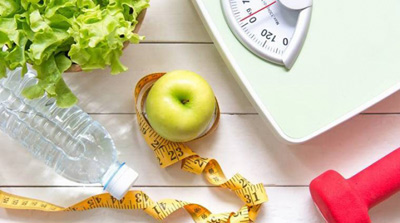
Класация на 25 Храни за изгаряне на мазнини
Гарциния Камбоджа
Гарциния Камбоджа е безспорно най-известната, но и най-ефективната храна за изгаряне на мазнини. Истинският шампион по изгарянето на мазнините, този плод от Азия има в допълнение към добродетелите изрязания глад, много полезен за борба с излишните килограми. Благодарение на високото си съдържание на хидроксилинова киселина (AHC), Гарциния Камбоджа може лесно да изгаря мазнините. Много проучвания върху животни показват, че AHC предотвратява съхраняването на мазнини в мастните клетки. С други думи, възможно е да се яде сладко без съхраняване на мазнини.
Този плод е трудно да се намери на Запад, най-лесният начин да го консумирате и под формата на естествени хранителни добавки.
ПАТЛАДЖАН: ШАМПИОН НА ХРАНИ ЗА ИЗГАРЯНЕ НА МАЗНИНИ
Шампион за абсорбиране на мазнини, патладжанът е истинска гъба. Богат на сапонин, той абсорбира натрупаните мазнини, като в същото време улеснява чревния транзит и се бори с целулита. Зеленчуци, богати на антиоксидант, патладжанът осигурява 18 kcal на 100 g и в същото време осигурява усещане за пълнота. Той е богат на минерали, включително калий, който детоксикира организма и пектина, който понижава холестерола. Независимо дали се консумират сурови или варени, тази храна е истински съюзник за отслабване. Направи си услуга.
ЯБЪЛКАТА
Потискащо апетита, изгаряне на мазнините, похвалите не изсъхват, за да се квалифицира този плод, който се носи навсякъде със себе си. Пектинът, който съдържа, помага да се елиминират погълнатите мазнини и да се създаде усещане за пълнота, ограничаване на храненето. Неговата консумация намалява и производството на инсулин, хормон, стимулиращ повишаване на теглото. Да се консумират за предпочитане сурови с кожата (богата на витамини и фибри), идеално канела.
ЛИМОН: ХРАНА, КОЯТО ОБЕЗМАСЛЯВА!
Със своето високо съдържание на фибри, пектин и витамин С, лимонът има много добродетели. Това е детоксикиращ плод, наситен, антибактериален, полезен за изтичане на тялото и избягване на подуване. Благодарение на своята киселинност, съдържанието на захар в кръвта се намалява значително. Свързани с топла вода сутрин, тази храна ще подготви черния ви дроб за по-добро храносмилане, консумирано през целия ден.
АНАНАСЪТ
Разбира се един от най-добрите плодове, за да отслабнете, ананас е богат на витамин С, магнезий и бромелаин, храносмилателния ензим и противовъзпалително средство, открити главно в стъблото. Неговата сурова или готвена консумация ви позволява да отслабнете, да съборите целулита и да подобрите храносмилането. Антиоксидантни плодове и изгаряне на мазнини, ананас е добър за фигурата!
ОВЕСЕНИ ТРИЦИ
Идеален за модериране на глада, регулиране на апетита и ограничаване на леките закуски, овесените трици не са само за спортисти. Богат на фибри, може да улови погълнатите мазнини. Осигурявайки усещане за пълнота и идеален за комфорт на червата, овесените трици се пръскат с почти всичко, което ядете … добра причина да го включите в ежедневната храна.
КАНЕЛА
Ако не се споменава често сред най-популярните храни за отслабване, канелата все още е храна, която изгаря мазнините. Малко известен като храна за отслабване, канелата се представя като убиец на мазнини. Според последните проучвания, тя ограничава нивото на захар в кръвта, избягва превръщането на захарта в мазнини. Яденето на канела ви помага да контролирате нивата на кръвната си захар. Препоръчително е да се замени канелената захар с вкусния му вкус. Богат на фибри, той също е потискащо апетита. Съчетава се перфектно с кисело мляко, ястия, десерти, бели сирена и др. Освен това той придава на вашите ястия екзотичен вкус.
ЗЕЛЕН ЧАЙ
Зеленият чай е богат на катехин, който повишава метаболизма и елиминиране на енергията (позволява на черния дроб да изгаря мазнините по-бързо), и танини, които предотвратяват усвояването на мазнини. Някои проучвания препоръчват пиенето на пет чаши зелен чай на ден и комбинирането му с три часа спорт (ходене например) седмично, за да отслабнете значително, особено коремната мазнина. Освен че е убиец на мазнини, зеленият чай има и други качества: спомага за предотвратяване на рак и сърдечно-съдови заболявания.
ЧЕСЪН И ЛУК
Чесънът и лукът са известни като храни против затлъстяване, полезни за ограничаване на усвояването на мазнините. В допълнение към придаването на вкус на ястията, тези две храни са полезни за тялото. Чесънът, например, би изгорил максимум калории, благодарение на неговия термогенен ефект.
ДЖИНДЖИФИЛ
Идеален за контролиране на кръвната захар, джинджифилът е не само съюзник на хора, които искат да отслабнат, но и за хора с диабет. Консумацията му позволява да се повиши телесната температура и да се ускори елиминирането на енергията. Той също така осигурява ефект на ситост, позволявайки по-добър контрол на апетита и загуба на тегло.
ПАПАЯТА
Богат на витамин С, фибри, калций, желязо и фосфор, папаята е некалоричен плод, считан за един от най-добрите храни за изгаряне на мазнини. Консумацията на този екзотичен плод не само позволява да се усети ефект на ситост, да се усъвършенства, да се подобри дренажът и да се подобри правилното функциониране на имунната система. Неговите добродетели се дължат на неговия ензим, папаин, който позволява да се разрушат някои липиди и захари.
СЛАДЪК ПИПЕР
От семейство пипер пипер стимулира обмяната на веществата и осигурява усещане за ситост в края на храненето. Консумацията на този малък сладък пипер, богат на антиоксиданти, фибри, витамин С и капсаицин, позволява да се изгарят повече калории и следователно да се пречисти. В допълнение към оцветяването на салатите, наред с други, той може да се консумира суров или варен и да се възползва от ползите от него.
БРОКОЛИ
Нискокалорична храна, броколи е с високо съдържание на фибри, което я прави много ефективна храна за изгаряне на мазнини. В действителност той изгаря максимум енергия по време на храносмилането. Богата на витамин С, броколите са добър антиоксидант с много добродетели: естествено подтискащо апетита, подобрява чревния транзит, ограничава натрупването на мазнини и подпомага елиминирането на токсините.
КАФЕ: ИСТИНСКИ ЕСТЕСТВЕН ОТЦЕДНИК
Кафето е храна за изгаряне на мазнини, която вече се е доказала. Богат на кофеин, който отслабващата промишленост държи особено за способността си да стимулира елиминирането на диплинг, кафето има много добродетели. Неговата ранна сутрешна консумация спомага за активиране на елиминирането на мазнините
МАГДАНОЗ
Естествен потискащ апетита, магданозът не е просто ароматна растителна билка. Това е растение, богато на фибри и витамин С, които помагат да се превърне в ефективна храна за изгаряне на мазнини. Неговата консумация в инфузия или сурово, позволява да се елиминират токсините на кръвта, да се ограничи усвояването на мазнините в организма и да се регулира апетита.
КУРКУМА
Куркума е подправка, богата на куркумин, ензим, полезен за премахване на коремната мазнина и изтъняване на кръста. Менютата, съставени от куркума, могат да контролират теглото, да ограничават наддаването на тегло или да губят тегло в зависимост от взетите количества.
ЗЕЛЕ
Все още наричана кале, калето е разнообразие от зелено зеле. Това е звездата на детоксичните диети. Богата на витамин С, калций, витамин К и фибри, Кале ограничава абсорбцията на глюкоза в кръвта. Неговите свойства позволяват да бъде мощен антиоксидант и отлично противовъзпалително средство, за да има отводнителен и деконгестиращ ефект.
Портокал
Богат на витамин С, оранжевото е едно от най-добрите храни, които изгаря мазнините. Достатъчната и редовна консумация на портокали би намалила нивата на холестерола, инсулина и кръвната захар. Това е идеалният плод за интегриране в дневното меню на диабетиците. Хората, които искат да отслабнат, могат да постигнат максимални резултати чрез комбиниране на консумацията на портокал и спорт. Препоръчително е да се пие преди започване на физически упражнения, за да се изгорят повече от 30% мазнини.
ДОМАТ
Богат на витамини и минерали, доматът е с ниско съдържание на калории и консумацията му е особено показателна за хора, страдащи от диабет. Редовната консумация на домати ще ограничи усвояването на целулита и мазнините благодарение на високото им съдържание на витамин С.
ЧИЛИ
Горещият пипер е богат на капсаицин, полезен за изгаряне на мазнини и намаляване на теглото. Консумацията му се препоръчва за хора, страдащи от затлъстяване или с поне едно наднормено тегло. Според някои изследвания, хората, които не пинасят чили, могат да консумират сладък пипер и да се радват на същите добродетели.
ГРЕЙПФРУТ
Както почти всички цитрусови плодове, грейпфрутът има много добродетели и е една от най-популярните храни за отслабване. Той е богат на витамини и минерали, които предпазват тялото. Неговото високо съдържание на вода е полезно, тъй като осигурява подновяване на клетките, подобрява хидратацията на тялото и позволява загуба на тегло.
ПЪПЕШ
Пъпешът има много добродетели благодарение на компонентите си. Той е естествен лаксатив, чиято консумация подобрява чревния транзит и елиминирането на мазнините. Като я изяждате редовно, можете да контролирате по-добре теглото му. Нискокалорични и богати на бавни захари, пъпешът е идеално консумиран като закуска или десерт. Смята се, че един от компонентите, цитрулин, също ще подобри сърдечно-съдовата система.
ЛЕНЕНИ СЕМЕНА
Консумацията на ленено семе влияе върху нивата на холестерола. Консумирани цяло или на земята и редовно, те позволяват не само да приема здравословна диета, но и позволят естествена загуба на тегло.
КРУШАТА
Счита се за добра храна изгаря мазнини, круши, богати на разтворими фибри, осигуряват усещане за пълнота дълго след хранене. Чрез включването му в диетата, тя регулира апетита си, абсорбира по-малко калории и се пълни с енергия. Известно е също, че крушата предотвратява някои видове рак и подобрява имунната система.
ОЦЕТ
Оцетът е препоръчителна храна за изгаряне на мазнини, полезна за умерен апетит. Чрез понижаване на нивото на кръвната захар в тялото, тя ограничава усвояването на захарта в кръвта, за да осигури усещане за пълнота и в крайна сметка да отслабнете. Според едно проучване, оцетът също би позволил съхранението на мазнини в тялото. Чрез комбинирането му с фибри, тя повишава елиминирането на мазнините и умереността на апетита.

